




















Inscryption
from$5.10
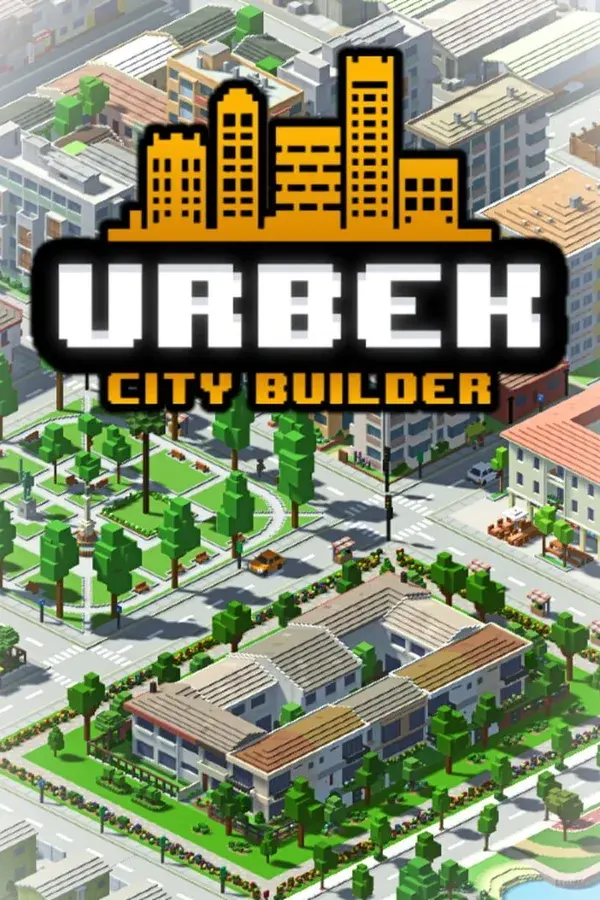
Urbek City Builder starts at $0.57. We compare 4 offers from 4 stores. The lowest listed offer is from Kinguin.
The comparison includes game key offers. Offers with a known activation platform list Steam.
Urbek City Builder Steam CD Key
KeySteamGLOBAL$0.60$0.57
Urbek City Builder
KeySteamGLOBAL$1.35
Urbek City Builder (PC) - Steam Key - GLOBAL
KeySteamGLOBAL$1.56
Urbek: City Builder Global Steam
KeySteamGLOBAL$1.87
These are gifts, not activation keys. Gift prices are not included in the main comparison.
Urbek City Builder (PC) Steam Gift - GLOBAL
GiftSteamGLOBAL$21.82$18.11
Urbek City Builder Steam Altergift
GiftSteamGLOBAL$18.53
Urbek City Builder (PC) - Steam Gift - GLOBAL
GiftSteamGLOBAL$22.48
Genres and tags
 Serious Sam: Shatterverse$15.90
 Welcome to Elderfield$11.65
 Endless Legend 2$17.20
 Trails in the Sky 2nd Chapter$37.38
 Agent 64: Spies Never Die$28.19
 Twisted Tower$15.75
 Steins;Gate Re:Boot$17.39
 Iron Nest: Heavy Turret Simulator$12.39
 Corsair Cove$17.56
 No More Room in Hell 2$16.86
 Sprawl Zero$14.35
 Servant of the Lake$18.46
 Aliens: Fireteam Elite 2$51.47
 Echoes of Mystralia$15.89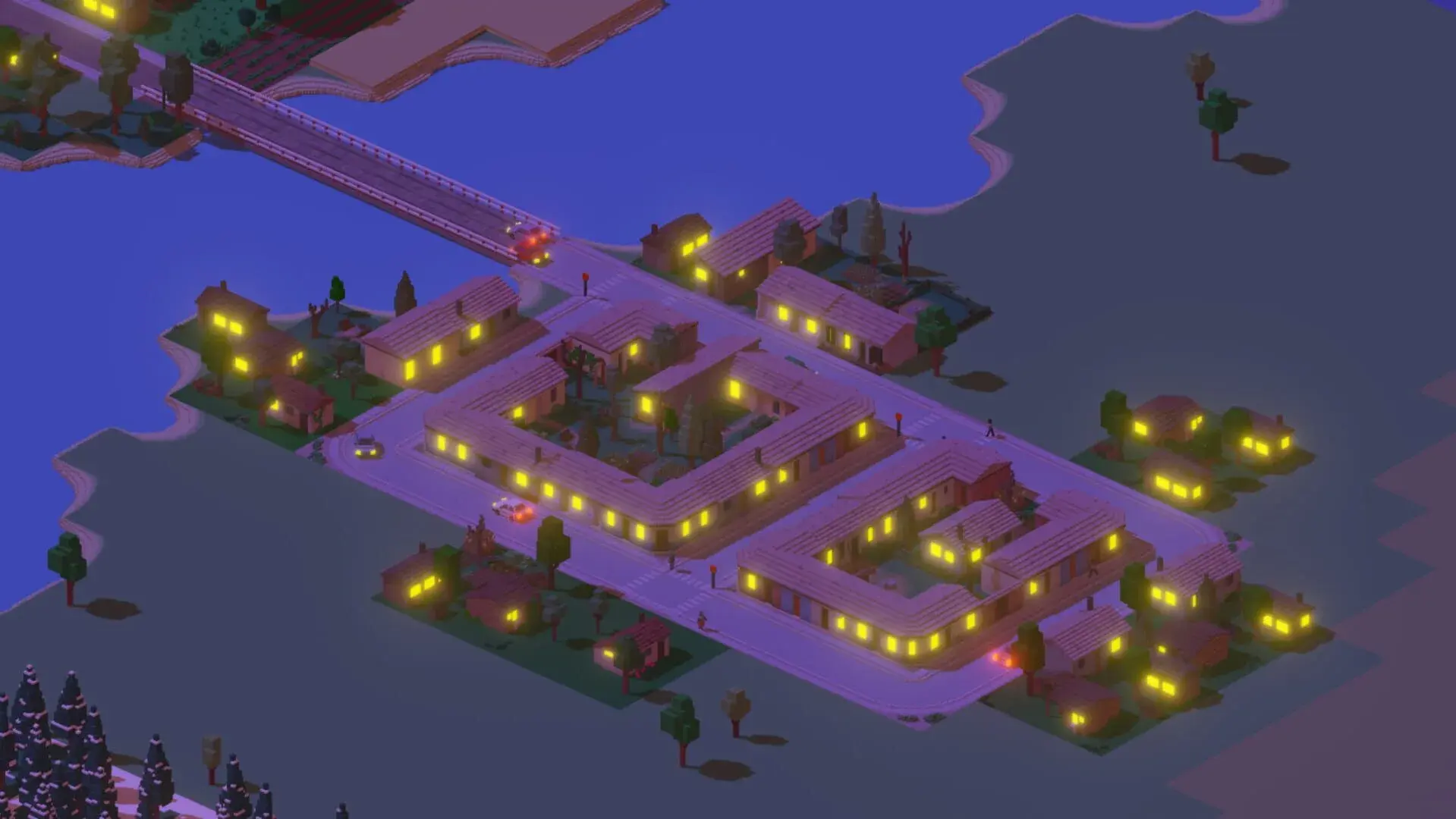
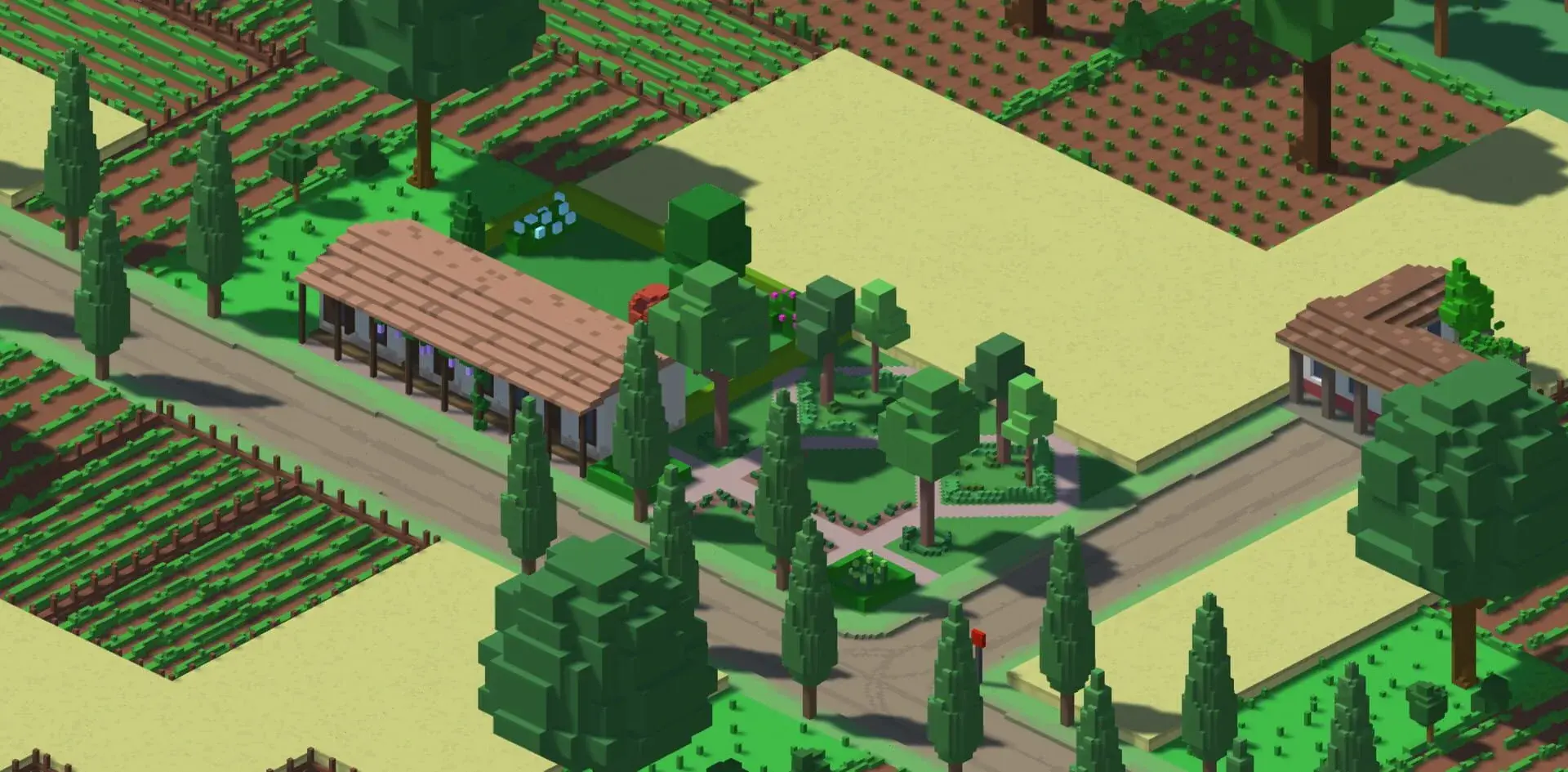
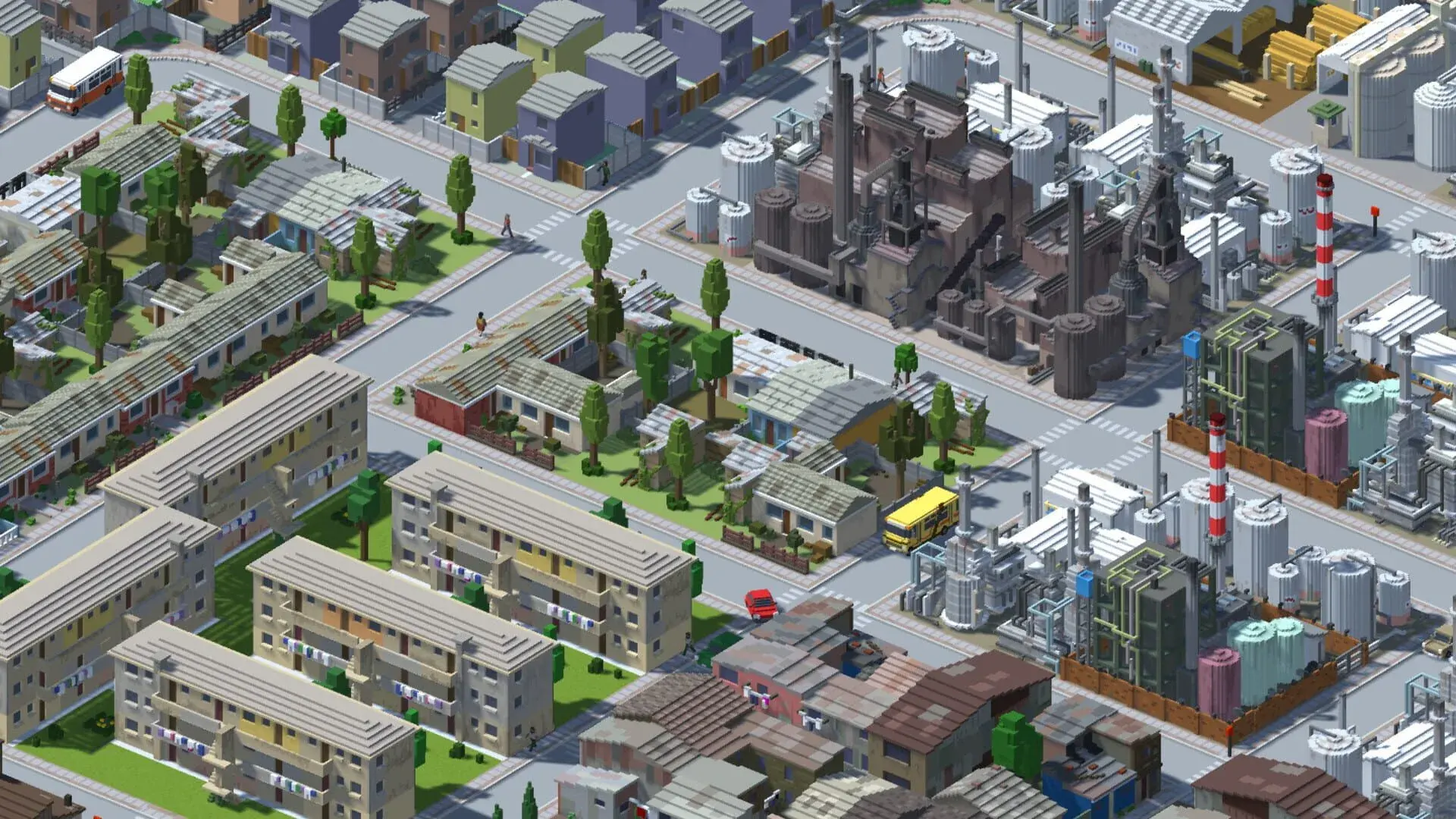
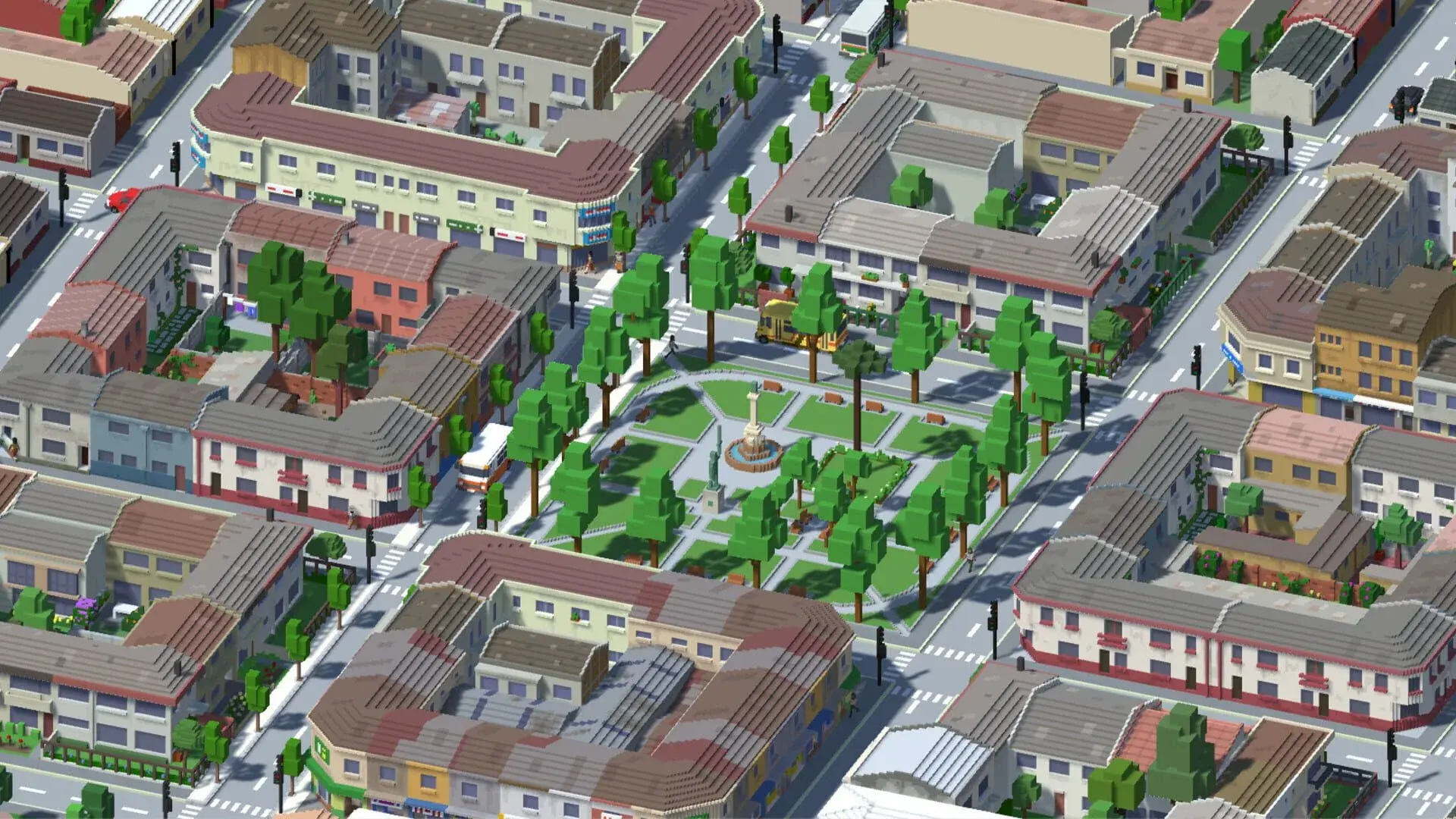
Urbek City Builder was developed by Estudios Kremlinois. Publisher: RockGame S.A.. Game modes: Single-player.
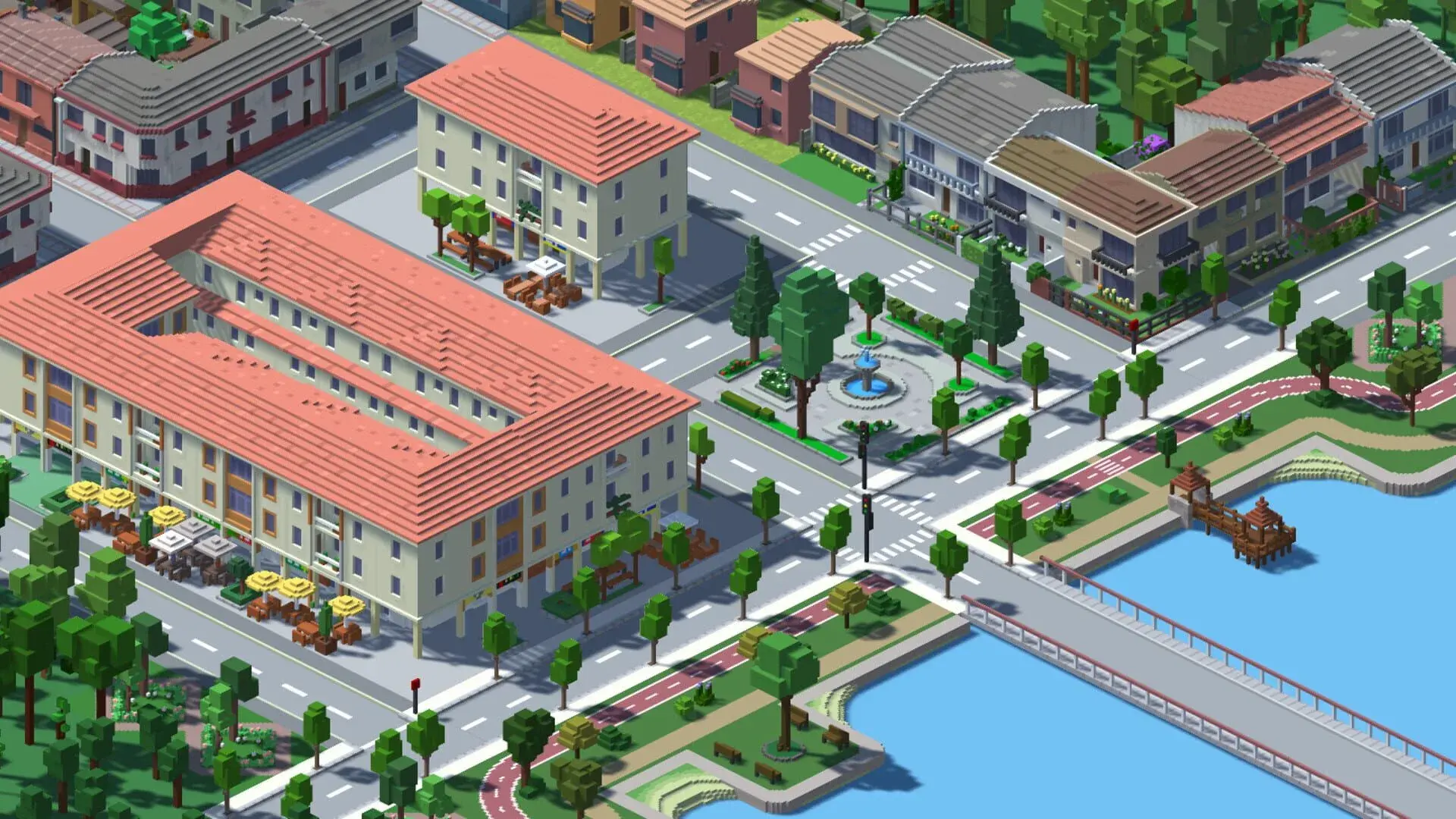
Urbek lets players build a city entirely of their own design, managing natural resources, improving quality of life, and shaping neighborhoods however they see fit, whether that means a bohemian district built around bars, parks, and libraries at low density, or a bourgeois neighborhood defined by luxury shops and manicured green space.
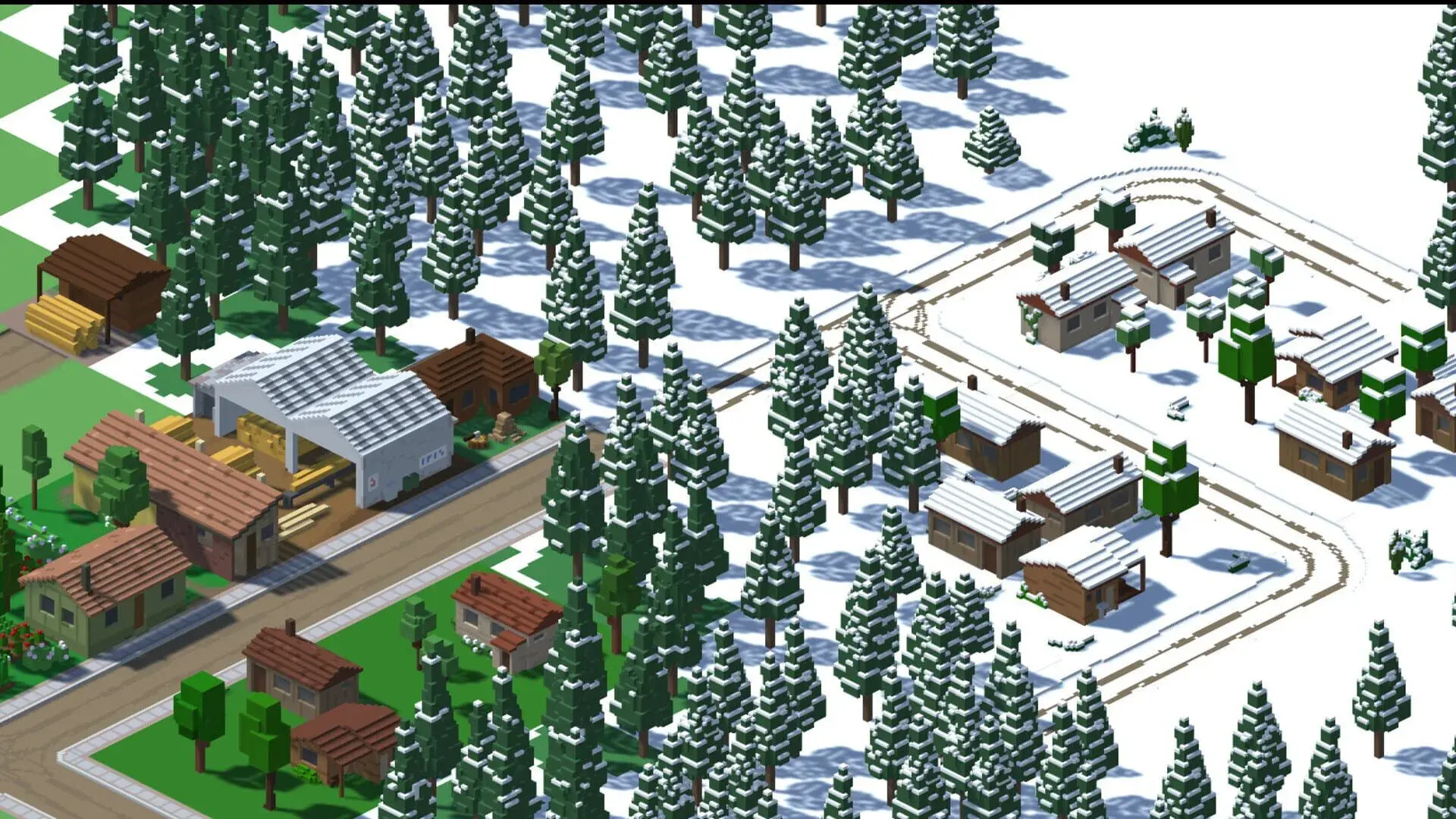
There's no money in Urbek at all. Everything gets built using resources instead, food, coal, skilled labor, and more than 30 other distinct resource types, meaning careful management is essential to keeping production flowing without running dry before replacements catch up. Education matters just as much as raw production, since generating enough qualified and scientific work opens the door to considerably more advanced buildings than a purely industrial city could ever construct.
Growth in Urbek happens organically: buildings with more than two floors naturally appear in densely populated areas with strong basic services, while other structures require specific conditions to place, like a local market needing proximity to farms, or a university depending on nearby high schools that themselves depend on nearby primary schools. Moving around at street level offers an intimate view of the city as it develops, letting players feel the real difference between neighborhoods the way their own residents would. No single building type ranks above another either; bourgeois housing consumes more food and pricier resources while boosting quality of life, while pushing industrial productivity yields more raw materials at the cost of livability nearby, leaving every decision as a trade-off rather than an obvious upgrade.